
Portrait Photography
Portrait Photography
Portrait Photography Tips
Portre Fotoğraf It's about reflecting a person's personality, rather than just a face and shoulders. It's about creating a natural look and conveying the model's personality to the viewer. portrait photography Pulling a string requires patience and hard work.
The good news is that you don't need expensive equipment. Because, as I said at the beginning, it's not about a highly successful technical application, but about reflecting one's character. The tips I'm about to share contain practical information that can take you beyond just taking a few quick photos. Let me stop rambling and get started.
1. Capture the Personality
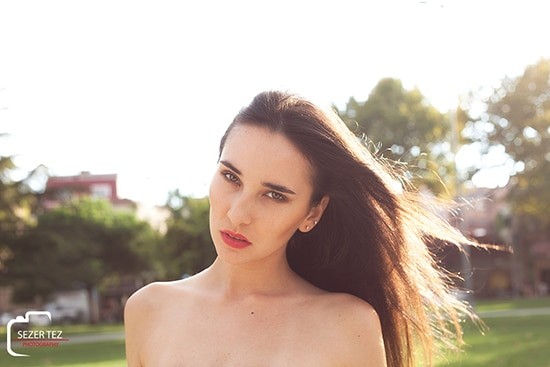
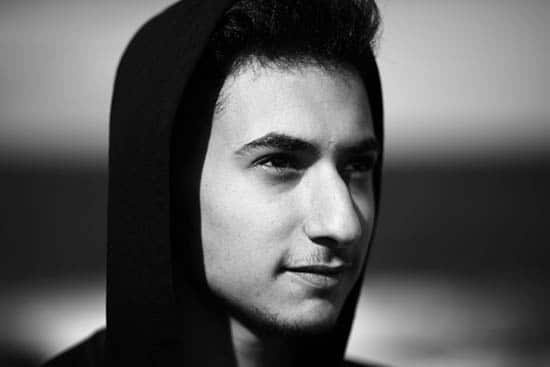
Portrait photographyIt's about the subject. You won't need much in the way of professional-level technical knowledge. So focus on the model. Think about what kind of person they are, how they express themselves best. If they have a cheerful personality, take a picture of them smiling, for example.
Portrait photography If you can capture a moment when your model isn't posing but acting naturally, you can get some beautiful results. For many people (including myself), standing in front of the camera is a source of tension in itself. Things can get even worse when you try to pose. Talk to your model and put them at ease; engage in conversation so they feel comfortable. If you can make them forget the camera is there, perfect photos await you.
Don't forget to take lots of photos. And when you take so many photos, you're bound to find one where the model isn't posing, just being themselves =)
2. Choose a venue that suits your theme.
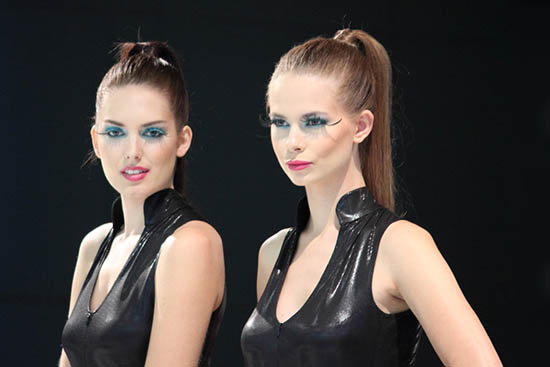
Studio system with a flat background portrait photography This is the most convenient setup. It's very suitable for separating the model from the background and getting rid of unwanted objects. I'm skipping this option because most of us don't even have a small home studio.
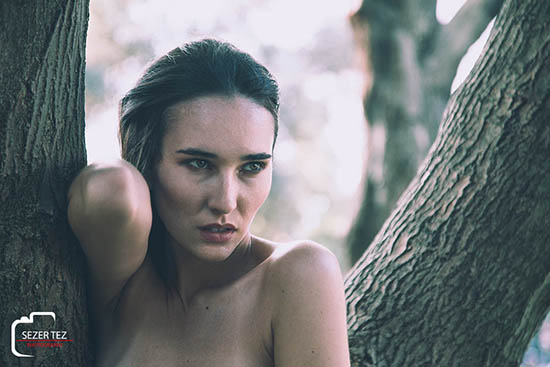
Even putting my personal opinion aside and looking at it objectively, photographing a model in any setting produces more impactful photos that tell a much deeper story. Learning about your model's hobbies, interests, and favorite places and shooting them in those locations can be very effective.
No matter where you take the photo, remember that the location isn't the main thing. Remove anything that might be distracting from the frame. If you can get a lens with a low aperture, you can even leave the background out of focus to bring the subject into the foreground.
Note: The most common portrait photography These are lenses with a 50mm f1.8 aperture. They are inexpensive and can give you the desired aperture.
3. Shoot from a distance.
If you photograph a person too closely, it might seem like you have a funny model with a big nose and a round face =). Step back as far as you can and photograph your model from a distance. This will give you a more accurate and proportionate photograph. Besides the shape, shooting from a distance will also increase the depth of field, and your model will stand out from the background in the photograph.
If you photograph a person too closely, it might seem like you have a funny model with a big nose and a round face =). Step back as far as you can and photograph your model from a distance. This will give you a more accurate and proportionate photograph. Besides the shape, shooting from a distance will also increase the depth of field, and your model will stand out from the background in the photograph.
4. Light
Portrait photography When it comes to lighting during a photoshoot, never rely on the flash on your camera. In fact, I'd say never use it. Because lighting the model from the front makes all the shadows, facial features, and expressions look flat. Besides, the awkward shadows falling in the background are quite distracting.
If you have a studio, illuminate the model from different directions with external flashes/strobe flashes and reflectors. Make one side of the face slightly brighter than the other. This will create subtle, soft shadows, adding depth to the expression.
Even if you don't have access to a studio, make the most of natural light. If you're shooting in direct sunlight, try using reflectors to illuminate shaded areas. Sharp shadows can create undesirable effects.